


How Birds Stay Warm: The Fascinating Adaptations of Avian Thermoregulation
Birds, with their vast range of species inhabiting almost every corner of the globe, live in a diverse range of climates. From the frigid polar regions to the sweltering tropics, these feathered creatures display remarkable adaptations to maintain their body temperature and survive in a wide range of temperatures.
But, how do such seemingly delicate animals stay warm when it’s cold outside? Can their relatively small bodies provide enough heat to keep them warm during the winter? This article will explain some of the adaptations and tactics that birds use to stay warm despite their small size.
Feathered Insulation

The most visible adaptation for warmth in birds is their feathers. Feathers provide remarkable insulation against the cold. The structure of these feathers, particularly the down feathers found beneath the outer feathers, traps air. This trapped air acts as an insulator, keeping the bird’s body heat from escaping. It’s similar to how a down jacket works for humans.
Moreover, birds can fluff up their feathers to increase this insulative effect. By fluffing, they trap more air and thus, enhance their body’s natural warmth. This is often observed in birds during cold weather, appearing rounder and fluffier than usual.
Metabolic Heat Production
Birds are endothermic or warm-blooded, meaning they generate their own body heat. In cold environments, birds often increase their metabolic rate to produce more body heat. This is achieved by burning fat reserves, which is why many birds feed heavily before the onset of winter, building up these reserves.
Some species, like hummingbirds, can enter a state called torpor during extremely cold nights. Torpor is a form of hibernation that reduces their metabolic rate and drops their body temperature to conserve energy, a critical adaptation for survival.
Behavioral Adaptations
Behavior plays a significant role in how birds stay warm. Roosting, or resting in groups, is a common behavior among birds during cold weather. By huddling together, they share body heat, reducing individual energy expenditure.
Additionally, birds seek shelter in dense foliage, under the bark of trees, or in cavities to protect themselves from the cold. This not only provides a barrier from the wind but also traps heat.
Circulatory Adaptations
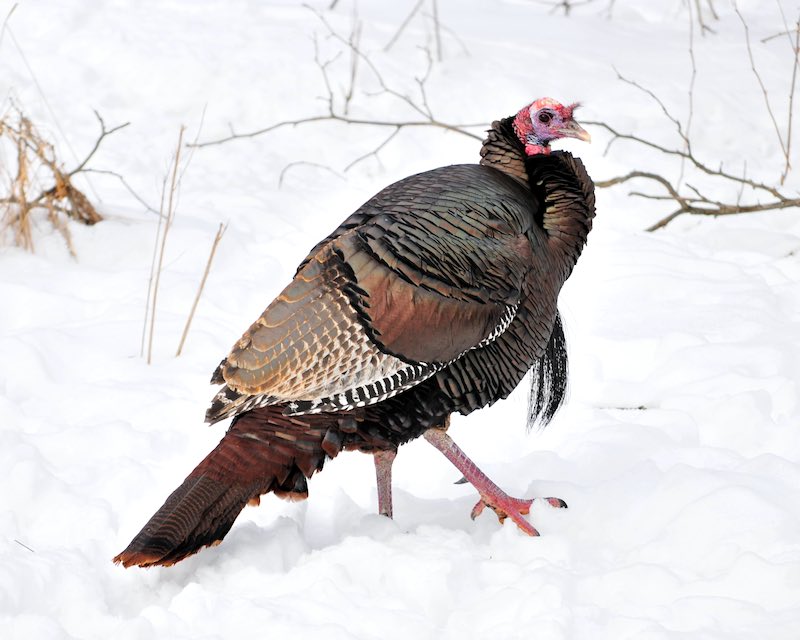
Birds have a unique circulatory adaptation called counter-current heat exchange found in their legs and feet. This system involves warm blood from the bird’s body flowing down arteries that are closely intertwined with veins carrying cold blood from the feet.
The heat from the warm blood is transferred to the cold blood, warming it before it enters the body. This mechanism minimizes heat loss through extremities, which is vital for birds standing on ice or snow.
Seasonal Changes
Many birds undergo seasonal changes to adapt to colder temperatures. This includes growing thicker plumage during the winter months. Migratory birds take a different approach by traveling to warmer regions during the colder months, a clear example of behavioral adaptation to environmental conditions.
Staying Out of the Wind

Birds are known to change their orientation relative to the wind direction. By facing away from the wind, they can reduce the amount of body surface exposed to cold air, thus minimizing heat loss. This behavior is particularly noticeable in larger birds like geese and ducks.
Fat Reserves and Diet Adjustments
The importance of fat reserves in birds cannot be overstressed, especially in preparation for winter. Some species undergo significant weight gain before the onset of cold weather, building up fat that acts as both an insulator and an energy reserve. This adaptation is crucial for survival, especially for species that do not migrate and must endure long, cold winters.
In line with this, many birds change their diet seasonally to increase their fat intake. During autumn, for instance, birds may shift from eating primarily insects to consuming more seeds and nuts, which are higher in calories and fat content.
Water-Proofing and Oil Glands

Another significant aspect of how birds stay warm is the maintenance of their feather condition. Most birds have a special gland known as the uropygial or preen gland near the base of their tail. This gland produces oils that birds spread over their feathers during preening. These oils not only help in keeping the feathers clean and flexible but also provide waterproofing.
This waterproofing is crucial for birds, particularly waterfowl, as it prevents their feathers from becoming waterlogged, which could lead to a loss of insulation and hypothermia.
Species-Specific Adaptations
Different bird species have evolved unique adaptations to cope with cold climates. For example, the Emperor Penguin in Antarctica has a layer of fat and tightly packed feathers to combat the extreme cold. Woodpeckers have strong tail feathers to support them against tree trunks, allowing them to maintain a position that minimizes heat loss.
Conclusion: A Symphony of Adaptations
From physical characteristics like feathers and fat reserves to behavioral strategies like sunbathing and roosting, each aspect helps birds stay warm in cold weather.
If you want to learn more interesting facts about birds, ready my article on why pelicans are interesting, or learn why bird poop is white.
Sources
https://www.fws.gov/story/how-do-birds-keep-warm-winter