


The intricate balance of the natural world is fascinating. There are many predator-prey relationships that exist in the ecosystem, and one such example is the relationship between birds and spiders.
While spiders may be an essential part of controlling insect populations, they are also prey for certain bird species.
In this article, we will discuss some of the fascinating birds that eat spiders and the essential role they play in the ecosystem.
Why Do Birds Eat Spiders?
A. Nutritional Value: Spiders are rich in proteins and other nutrients, making them a valuable food source for birds, particularly during breeding and migration periods.
B. Availability: In many habitats, spiders are abundant and can be found year-round, providing a reliable food source.
So, Which Birds in Particular Enjoy Eating Spiders?
1. Eastern Bluebird (Sialia sialis)
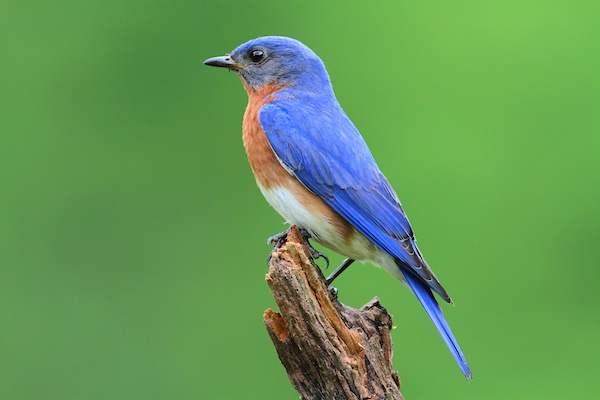
These beautiful birds, known for their vibrant blue plumage, inhabit open woodlands, farmlands, and orchards in eastern North America. Eastern Bluebirds are not fussy eaters and have a diverse diet that includes insects, fruit, and spiders. They are excellent hunters and can catch spiders with remarkable precision.
2. American Robin (Turdus migratorius)

The American Robin is a common bird species found throughout North America. They are easily identifiable by their reddish-orange breast and grayish-brown plumage. American Robins feed on a variety of insects, including beetles, caterpillars, and earthworms, as well as spiders. They are known to forage on the ground, plucking spiders from the leaf litter, as well as hunting spiders in trees and shrubs. Check out my article on the differences between the American Robin and European Robin if you want to learn more about these fascinating birds.
3. Black-capped Chickadee (Poecile atricapillus)

Black-capped Chickadees are small, energetic birds native to North America. They are easily recognized by their black cap and bib, white cheeks, and gray back. These birds are insectivorous during the summer months and feed on a variety of insects and spiders. They are especially fond of web-building spiders, plucking them from their webs as a tasty meal.
4. Northern Flicker (Colaptes auratus)
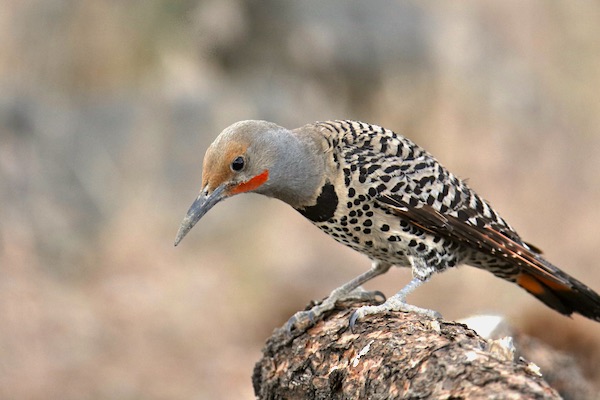
The Northern Flicker is a medium-sized woodpecker found across North America. They have a striking appearance, with a black bib, spotted plumage, and a bright red or yellow shaft on their primary feathers. Northern Flickers feed primarily on ants, but they also eat a variety of insects and spiders. They often search for prey on the ground, probing the soil with their long, curved bills to extract spiders and other insects.
5. House Wren (Troglodytes aedon)

House Wrens are small, energetic birds with a rich, bubbly song. They can be found in a variety of habitats, including urban gardens, woodlands, and grasslands. House Wrens feed on a variety of insects and spiders, which they glean from foliage or snatch from webs.
6. Gray Catbird (Dumetella carolinensis)
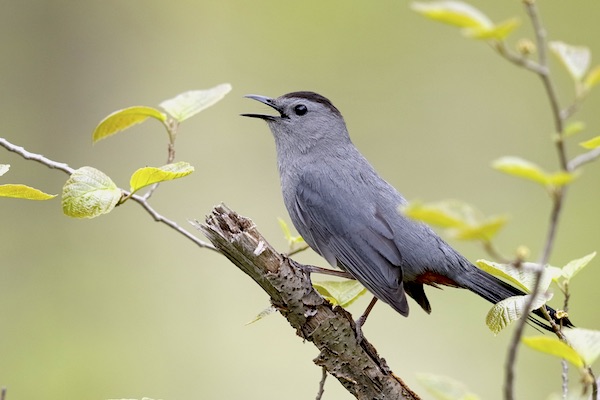
Gray Catbirds are medium-sized songbirds found in North America. They have slate-gray plumage, a black cap, and a distinctive rusty undertail. They inhabit dense shrubs and thickets, where they feed on insects, berries, and spiders. Gray Catbirds have a keen eye for spotting spiders hiding in vegetation and can easily snatch them up, contributing to the control of spider populations in their habitats.
7. Yellow-rumped Warbler (Setophaga coronata)
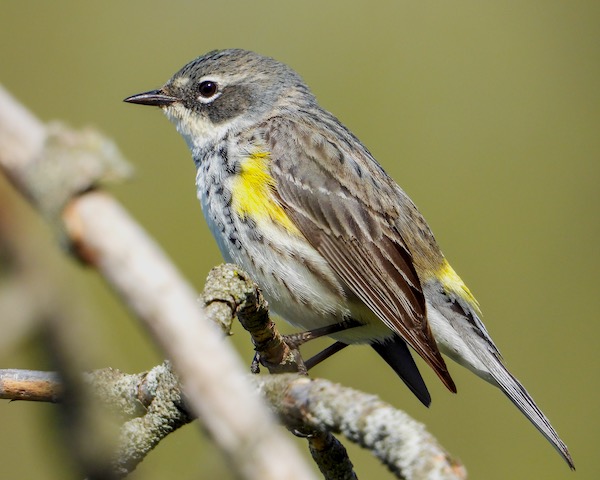
Yellow-rumped Warblers are small, colorful birds with a striking plumage pattern that includes yellow patches on the crown, sides, and rump. They breed in coniferous forests and migrate to various habitats across North America during the winter. These warblers feed on a wide range of insects, including spiders, which they glean from foliage, branches, or even snatch from the air.
8. White-breasted Nuthatch (Sitta carolinensis)
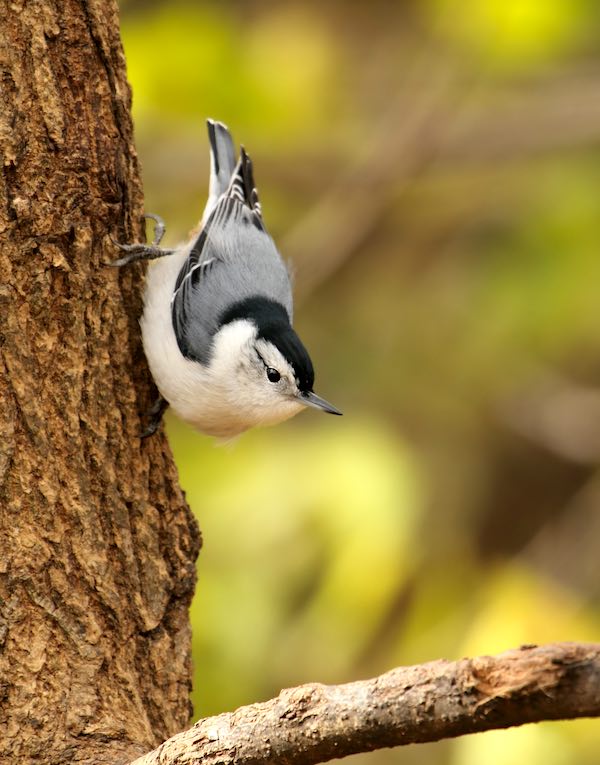
The White-breasted Nuthatch is a small, agile bird with a striking black cap and white face, as well as a gray-blue back and white underparts. They are found in mature deciduous forests across North America. White-breasted Nuthatches primarily feed on insects and spiders, which they find by scaling tree trunks and branches in search of hidden prey. Their feeding habits contribute to the regulation of spider populations in their environments.
9. Western Bluebird (Sialia mexicana)
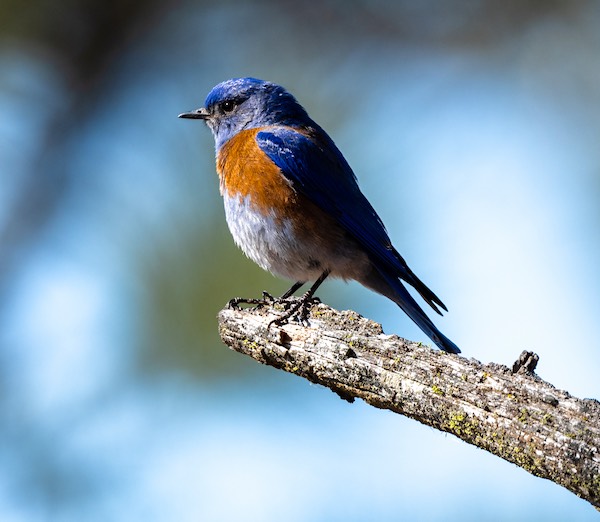
The Western Bluebird is a close relative of the Eastern Bluebird, sharing similar vibrant blue plumage. They inhabit open woodlands, grasslands, and farmlands in the western part of North America. Like their eastern counterparts, Western Bluebirds are not picky eaters and consume a diverse diet that includes insects, fruit, and spiders.
10. Tufted Titmouse (Baeolophus bicolor)
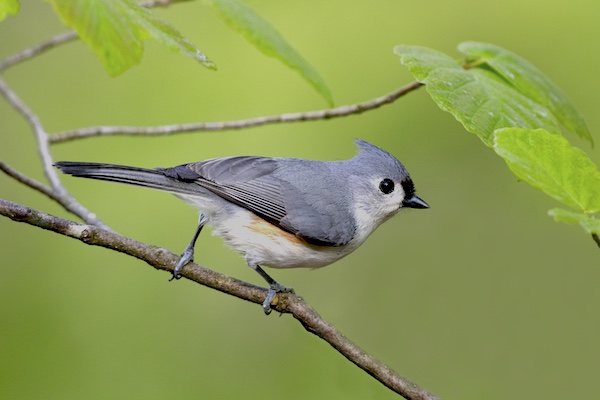
Tufted Titmice are small, energetic birds with a gray crest, large black eyes, and a gray upper body with a white underbelly. They are found in deciduous and mixed forests throughout eastern North America. These birds are primarily insectivorous and feed on a variety of insects, including spiders, which they forage from tree branches and leaves.
Other Species of Birds That Consume Spiders
1. Hummingbirds
Surprisingly, even hummingbirds, primarily known for feeding on nectar, occasionally eat spiders. They are an important protein source for hummingbirds, especially during the breeding season. If you need some visual evidence, check out this video of a rehabilitated hummingbird eating a spider:
2. Owls
Some smaller owl species, such as the Eastern Screech Owl, have been known to eat spiders. While not a primary food source, spiders are opportunistic prey for these nocturnal hunters.
3. Vireos
Vireos, small to medium-sized songbirds, often search for spiders among leaves and branches. They play an important role in controlling spider populations in forested areas.
4. Cuckoos
Both the Yellow-billed and Black-billed Cuckoos in North America are known to eat spiders. These birds, with their long tails and zygodactyl feet, are adept at navigating through dense foliage where spiders reside.
5. Gnatcatchers
These small, insectivorous birds are known to consume a variety of small arthropods, including spiders. They typically find them in tree bark or amongst foliage.
6. Creepers
Brown Creepers, for example, rely on their curved bills to forage for spiders hidden in the tree bark. They play an important role in forest ecosystems by keeping spider populations in check.
7. Kinglets
Both the Ruby-crowned and Golden-crowned Kinglets include spiders in their diets. These tiny birds forage in trees and shrubs, often consuming spiders along with other small insects.
8. Swallows
Swallows, particularly during their nesting season, actively hunt for spiders. Their aerial acrobatics allow them to catch spiders in flight, which is crucial for feeding their young.
9. Flycatchers
Many flycatcher species, including the Eastern Phoebe and the Black Phoebe, are known to feed on spiders. They often catch them mid-air or pluck them from webs.
10. Sparrows
Certain sparrow species, like the Song Sparrow, consume spiders. They usually forage in underbrush and low vegetation, where they find these arachnids.
Conclusion
The diversity of bird species that feed on spiders underscores the ecological importance of spiders as a food source. These birds, ranging from the tiny hummingbird to the larger cuckoo, are very different but each have unique adaptations that enable them to hunt and consume spiders.
I hope you learned something new from this article, check out my piece on why hawks are interesting if you love this kind of content. Or, learn why great blue herons are so interesting.
Sources
https://ucanr.edu/blogs/blogcore/postdetail.cfm?postnum=29582
https://www.sacnaturecenter.net/visit-us/nature-blog/ask-a-naturalist-what-do-hummingbirds-eat/