


Birdwatching, sometimes called birding (although I consider birding to be its more active cousin), is an activity where the goal is to observe, study, and appreciate birds in their natural habitats, or at backyard feeders.
For many birdwatchers, observing birds is more than a hobby and becomes a blend of science, art, and relaxation.
The science of birdwatching is called ornithology and involves studying taxonomy, migration patterns, and all things related to bird behavior.
The art of birdwatching is perhaps best represented by bird photographers and bird illustrators, who both use aesthetic principles to highlight the beauty and vibrancy of birds.
Finally, the relaxation of birdwatching is experienced by those who use birdwatching as a meditative experience.
Watching birds eat, sing, and interact with other birds can create a profound sense of calm and connection with nature, providing relief from a busy and digitally focused world.
For me, birdwatching and birding, are practices that help me remember what incredible world exists outside the four walls of our living spaces.
History of Birdwatching
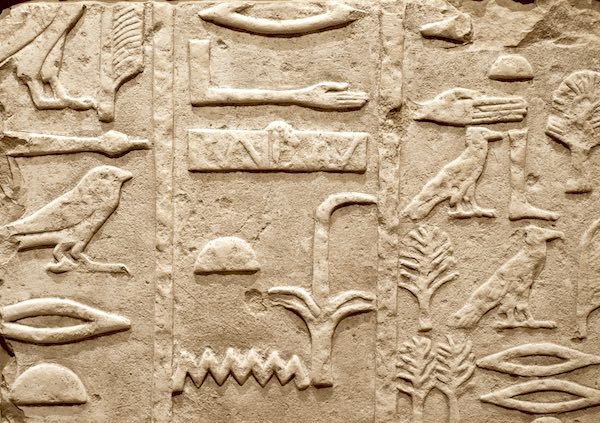
Before the peaceful activity of watching birds through binoculars or at a feeder, people hunted birds and collected their skins and feathers as trophies or curiosities.
Egyptian pharaohs, Inca chiefs, and nineteenth & early twentieth century Europeans all collected bird specimens.
By the 1800s, firearm technology improved greatly leading to the shooting, skinning, and collection of birds.
At that time, ornithology, the scientific study of birds, was done by comparing the skin specimens of different birds.
At the time, passively watching birds was not considered a scientific endeavor.
It took until 1898 for someone in the scientific community to express written remorse for killing birds.
In that year, an ornithologist named Edmund Selous wrote the following in his “observational diary.”:
“But now that I have watched birds closely, the killing of them seems to me as something monstrous and horrible.”
-Edmund Selous
Those words, and other observations that he made in his journal, kickstarted the peaceful observation of birds as a hobby/accepted activity (Selous gave it some scientific legitimacy), which became even more accessible with the invention of relatively decent binoculars in the early 1900s.
The introduction of field guides such as Roger Tory Peterson’s “Field Guide to the Birds” in 1934, coupled with improvements in optics technology and, later, the advent of digital photography, played major roles in expanding the interest and enjoyment of birdwatchers across the globe.
Today we have a wide variety of field guides and tools, like The Cornell Lab’s Merlin app, which make it incredibly easy to identify birds by sound and song, or by submitting a photo.
It’s never been easier to be a birdwatcher, birder, or bird photographer.
Why Birdwatching Is Popular?
Birdwatching is accessible.
Whether you live in a city where pigeons, sparrows, and starlings are common, or in a rural area where songbirds, owls, and raptors abound, seeing birds is often as easy as looking out a window or walking outside.
No gear is required for birdwatching (although it makes it more enjoyable).
You don’t need an expensive pair of binoculars or a camera with a zoom lens to see birds and appreciate their antics, all you need is patience, attention, and a bit of time.
Websites and apps, like eBird & Merlin Bird ID, have made identifying birds easy and fun, even for complete beginners.
The Merlin Bird ID is one of my favorite tools for identifying species by sound (just point your phone in the direction of the sound you are hearing).
Birdwatching also provides the thrill of discovery.
For those of us who grew up playing Pokémon and collecting the cards, looking for birds provides some of that thrill we felt when roaming around in the grass and encountering a new Pokémon.
Birdwatching Promotes Conservation

As birders gain knowledge about different bird species, they build a deep appreciation for birds and the habitats they live in.
This often develops into a desire to protect birds and the environments they inhabit.
Birdwatchers can participate in activities like bird counts, habitat restoration, and advocacy projects to help protect birds.
Birdwatching Etiquette
Birdwatching has its own etiquette, not unlike sports or other group activities.
This etiquette is an unspoken code of conduct that aims to minimize disturbance to birds and respect the privacy of other people.
Most of etiquette is common sense.
A few to remember are:
1) Avoid Needlessly Disturbing Birds
Try to observe birds from a distance that allows the birds to go about their day in a natural way.
Some birds are used to humans (like ducks or pigeons) in a park, and don’t need as much distance, but others, like nesting birds, are best observed at a distance with a long telephoto camera lens are a pair of binoculars.
2) Do Not Trespass on Private Property
Trespassing can be dangerous for you (depending on who owns the land) and it also makes it less likely that the owner of the property will allow groups onto the property when asked nicely.
Always get permission before wandering onto a piece of property.
3) Leave No Litter
Leaving no trace when you leave area is not only better for the birds but also for future birdwatchers and photographers.
Seeing trash along the banks of a lake or pond while trying to get a picture of an egret or heron is disappointing for those trying to appreciate birds in their natural habitats.
Leaving the scene pristine is beneficial for birds and birders.
Health Benefits of Birdwatching
We can help birds through birdwatching, by increasing interest in their conservation, but we can also help ourselves through birdwatching.
Birdwatching has both physical and mental benefits.
It encourage people to get outdoors and often involves walking or hiking, it can be a great way to get some cardio.
I often find myself climbing up hills or hiking a couple miles just to find birds.
Mentally, birdwatching can help reduce stress and anxiety, giving our minds something positive and interesting to focus on.
I’ve noticed that birdwatching improves my own mindfulness and ability to spot things outdoors.
Test it for yourself, take someone who is not a birdwatcher outside, and see who can spot a bird first, I think you will discover that birdwatching makes you much quicker at spotting birds, and other things as well.
Birdwatching as a Career

While birdwatching starts as a hobby for most, it can also lead to a career.
Ornithology, the scientific study of birds, is a branch of zoology that offers job opportunities in research, conservation, and education.
Other bird-related areas that people work in include guided bird tours, bird/nature photographer, and writing or illustrating field guides or other educational materials about birds.
Rare Bird Alert
Rare bird alerts go all the way back to the 1950s, when a birding-by-phone service emerged and birders could call in and hear what unusual birds had been spotted that week. Today, rare bird alerts are offered by a variety of birding focused websites, with The Cornell Lab’s eBird app and site being one of the most popular among birders.
When a rare bird shows up, it can create a frenzy among birders (kind of like the Pokémon GO days, when people rushed outside, and climbed over fences, to find rare Pokémon).
Who doesn’t enjoy the thrill of seeing/finding something rare?
Rare bird alerts are a fun and exciting way to introduce kids to the joy of birdwatching.
Citizen Science & Birdwatching
Citizen science has become an integral part of birdwatching, allowing amateur birdwatcher to contribute to scientific research.
Sites like eBird, NestWatch, and Project FeederWatch allow birders to submit their observations, which scientists use to track bird populations, migration patterns, and the effects of climate change on bird behavior.
These projects illustrate that birdwatching is more than a pastime—it’s a way for people to have fun while also contributing to our scientific understanding of birds and the diverse habitats they live in.
Conclusion
I hope this article provided you with a better idea of what birdwatching is and what it can be.
If you are new to birdwatching, check out my article on birdwatching tips.
And, check out my article on backyard birds of California (if you live there or plan to visit).
Or if you love learning about specific groups of birds, check out my articles on interesting facts about hawks, herons, and finches.