


What makes birds so interesting? Birds are found in nearly every habitat on Earth. This article explores some of the most intriguing facts about wild birds, shedding light on their behaviors, adaptations, and roles in the ecosystem.
1. The Variety of Birds is Incredible
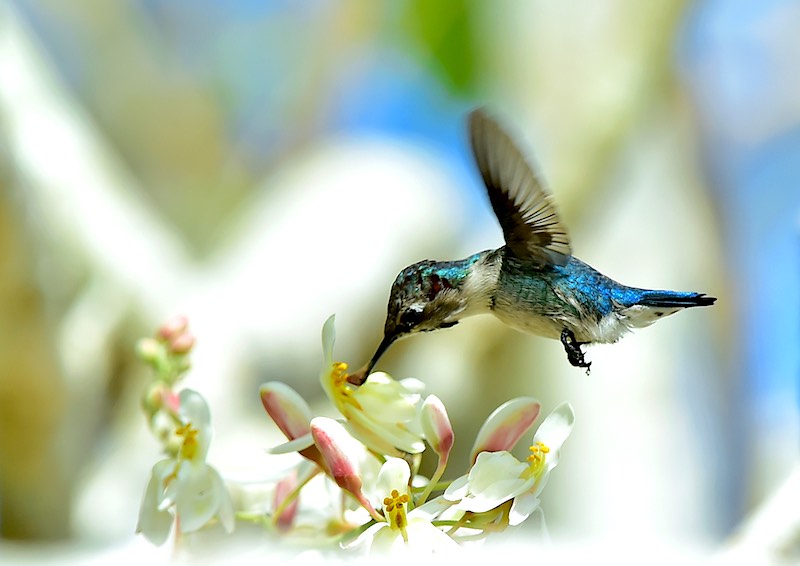
There are over 10,000 species of birds worldwide, ranging from the tiny 2-inch Bee Hummingbird to the massive 9-foot Ostrich. This diversity is not just in size but also in color, behavior, and habitat.
2. Birds are Masters of Flight
Many birds are known for their incredible flight capabilities. The Peregrine Falcon, for instance, can dive at speeds over 240 mph, making it the fastest animal on the planet. Meanwhile, the Bar-tailed Godwit can fly 7,000 miles non-stop during migration.
3. Birds Communicate in Unique Ways
Birds use a variety of sounds for communication. From the complex songs of the Nightingale to the mimicry of the Lyrebird, each species has its own way of ‘talking.’ Some, like the African Grey Parrot, can even mimic human speech.
4. Birds Have Remarkable Navigational Skills
Migratory birds have extraordinary navigational skills. They use the sun, stars, Earth’s magnetic field, and even olfactory cues to travel thousands of miles with astounding accuracy.
5. The Nesting Behavior of Birds is Varied and Sophisticated
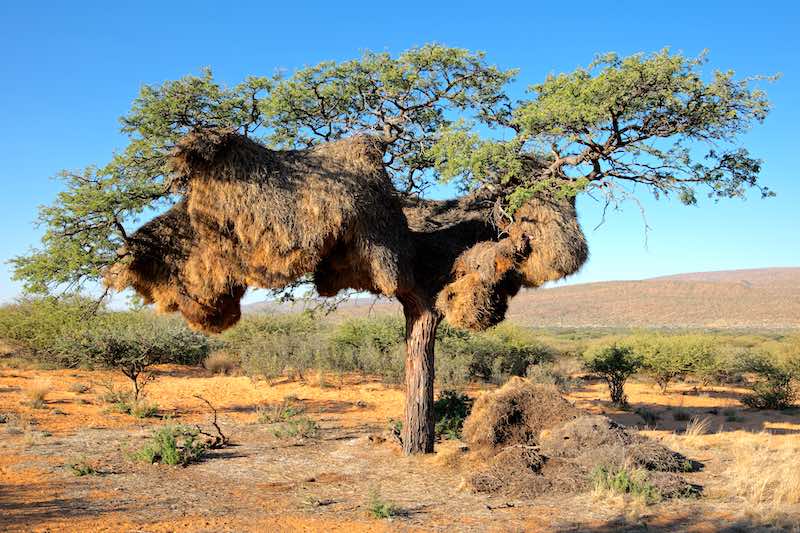
Birds exhibit a wide range of nesting behaviors. For example, the Weaver Bird creates intricate nests hanging from tree branches, while the Emperor Penguin incubates its egg on its feet in the Antarctic cold.
6. Some Birds Live Extreme Environments
Penguins thrive in icy waters, while desert birds like the Sandgrouse can survive in arid conditions.
7. A Significant Number of Birds are Endangered
Unfortunately, many bird species are endangered due to habitat loss, climate change, and pollution. Conservation efforts are crucial to protect these magnificent creatures.
8. Bird Longevity Varies
Bird lifespans vary widely. While some small birds live just a few years, larger species like the Albatross can live over 60 years.
9. The Types of Foods Birds Eat is Wide-ranging
Birds have diverse diets, ranging from nectar, seeds, and fruits to insects, fish, and even other birds. The diet of a bird is closely linked to its habitat and anatomy. For example, the sharp beak of a Hawk allows it to tear meat, while the Hummingbird’s long beak is perfect for sipping nectar from elongated flowers.
10. Birds Experience Seasonal Changes
Many birds undergo significant changes with seasons. This includes molting, where birds shed old feathers to grow new ones, and migration, where they travel to different regions for breeding or better food sources.
11. The Courtship Rituals of Birds is Diverse
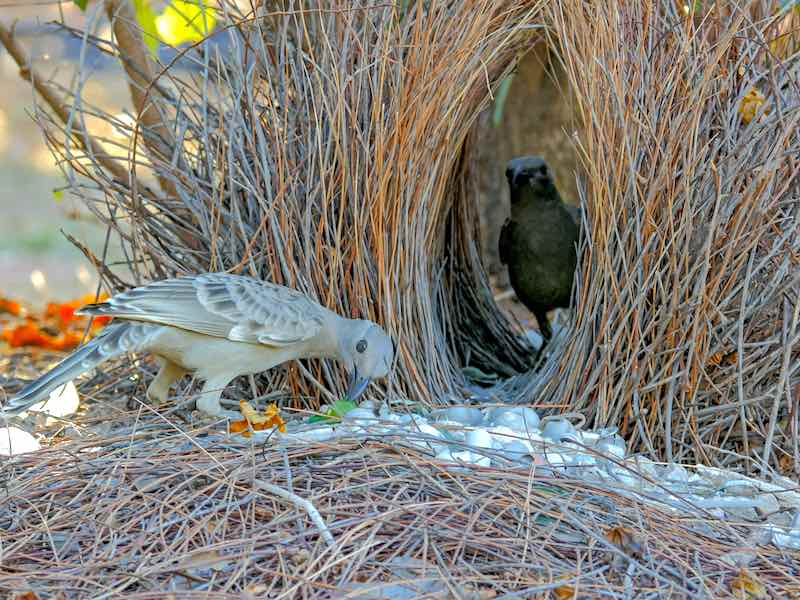
Bird courtship rituals are often elaborate and fascinating. The Peacock’s impressive tail display and the dance rituals of birds, like the Bowerbird, highlight the importance of visual and performative displays in attracting mates.
12. Birds Have Highly Developed Sensory Abilities
Owls have incredible hearing and night vision. Hawks have the best eyesight in the animal kingdom, and Turkey vultures have a sense of smell that allows them to pinpoint carrion from impressive distances. And, many species of birds are able to see ultraviolet light, which may help birds forage, avoid predators, and even select mates.
13. Birds Provide Signals About the Environment
Think of the idiom, “canary in a coal mine,” which is an allusion to the canaries that miner’s used as a warning system (if the canary died, the air was likely toxic). Birds are considered excellent indicators of environmental health. Changes in bird populations can signify changes in the ecosystem, often pointing to broader environmental issues.
14. Human Activity Impacts Birds Across the Globe
Human activities have a significant impact on bird populations. Urbanization, deforestation, and pollution have led to habitat loss and decline in bird numbers. Conservation efforts, including bird sanctuaries and legal protections, are essential to mitigate these effects.
15. Birds are Intelligent

Many bird species exhibit high levels of intelligence. Crows and Ravens, for instance, are known for their problem-solving abilities and use of tools.
16. Birds are Culturally Significant
Birds have a prominent place in human culture, symbolizing various concepts in different societies. They appear in art, literature, and folklore, often representing freedom, peace, or wisdom.
17. Birds are Survival Experts
Birds have evolved various adaptations for survival. For example, Arctic birds have special insulation in the form of feathers and fat to keep them warm, while desert birds have developed ways to conserve water.
18. Birds Benefit the Habitats They Live In
Birds are not just fascinating creatures; they are also essential for maintaining ecological balance. They control insect populations, act as pollinators, and their migration patterns can even help scientists understand climate change impacts.
19. The Diversity of Feathers Among Birds is Vast
Bird feathers are remarkable and serve various functions, the most notable being flight. But, feathers also provide birds with insulation and camouflage, and are used in mating displays.
The vibrant colors of feathers in species like the Scarlet Macaw or the iridescent plumage of the Peacock are due to complex light refraction and pigmentation.
20. Bird Migration Remains Mysterious
Bird migration remains one of nature’s great mysteries. Researchers continue to study how birds can navigate across continents and oceans, often returning to the same locations year after year with astonishing precision.
21. Parenting Varies Among Bird Species
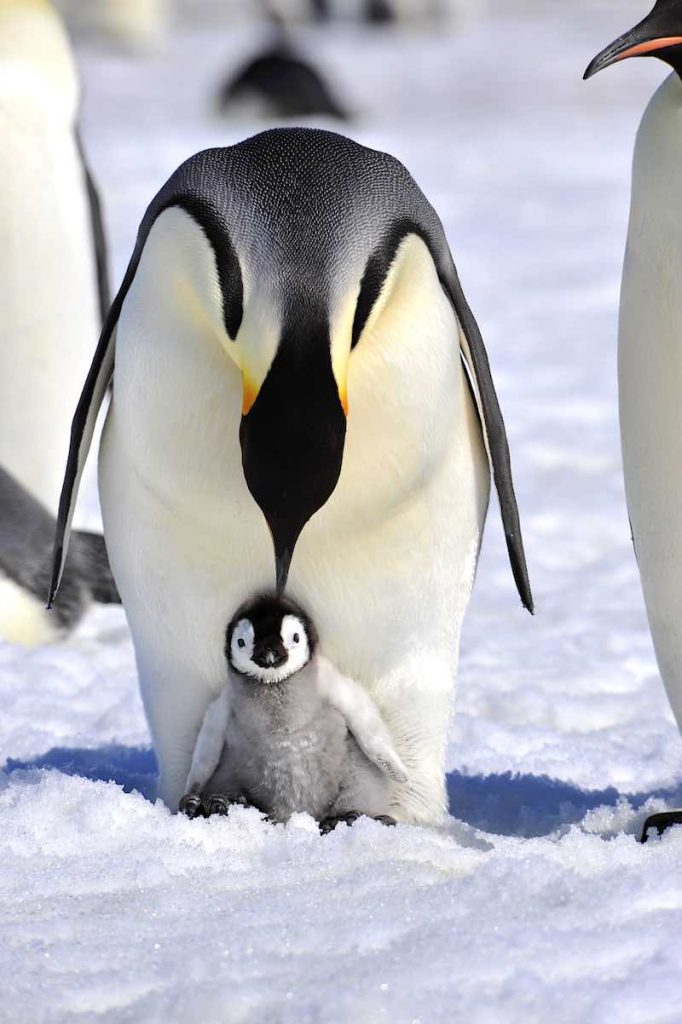
Birds exhibit a range of parental care strategies. While some, like the Emperor Penguin, show intense parental investment, others, like the Cuckoo, lay their eggs in the nests of other birds, leaving the incubation and chick rearing to them.
22. Some Birds Have Adapted to Urban Living
The adaptability of birds is evident in their ability to thrive in urban environments. Species like the House Sparrow and the Rock Pigeon are common sights in cities, having adapted to urban life over decades.
23. Birds May Experience Emotion
Recent studies suggest that birds may experience emotions and exhibit intelligent behaviors previously thought unique to mammals. This includes playing, grieving, and possibly even experiencing joy.
24. Some Birds are Pollinators
While bees are the most famous pollinators, many bird species, particularly hummingbirds and honeyeaters, play a significant role in pollination, helping to maintain both wild and agricultural plant populations.
25. Conservation Has Saved Some Birds from Extinction
Conservation efforts have seen successes, with species like the Bald Eagle and the California Condor recovering from near extinction due to dedicated efforts in habitat preservation and legal protection.
26. Birders Can Contribute to What We Know About Birds

Birdwatching not only serves as a popular hobby but also contributes to scientific knowledge. Citizen scientists around the world help in tracking bird populations, migration patterns, and the impacts of environmental changes.
27. Birds are the Only Surviving Dinosaurs
Birds are the living descendants of theropod dinosaurs. This evolutionary lineage is evident in their skeletal structures, egg-laying habits, and even in some behavioral traits. The discovery of feathered dinosaurs in the fossil record has further solidified this connection.
28. The Songs of Birds Provide Scientific Insights
Birdsong is a field of study within ornithology and bioacoustics. Scientists analyze bird calls and songs to understand communication, mating rituals, and even to track changes in populations and migrations.
29. Birds are Prominent in Mythology
Birds have been revered in various cultures and mythologies throughout history. They often symbolize freedom, spiritual messengers, or omens. The Phoenix, for instance, is a mythical bird associated with fire and rebirth.
30. The Benefits of Watching Birds
Birdwatching is a popular hobby worldwide, offering not just enjoyment but also benefits like stress reduction and connection with nature. It also promotes environmental awareness and conservation efforts.
31. Bird Eggs are as Diverse as the Birds that Lay Them
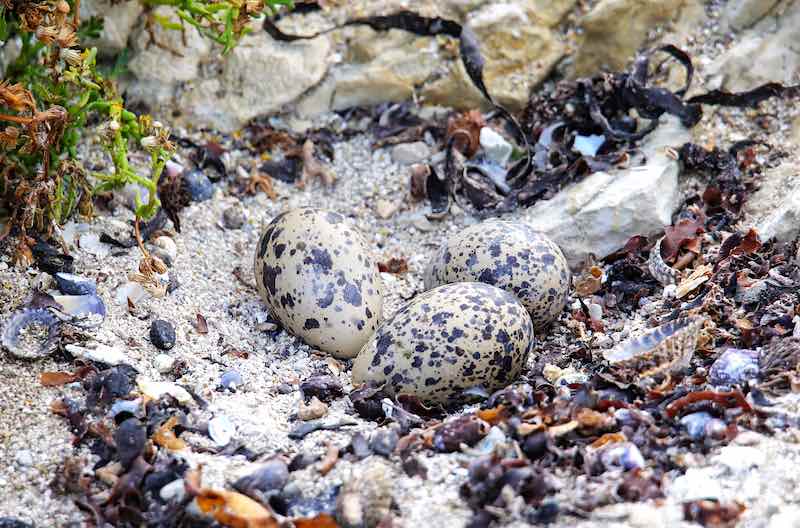
Bird eggs vary greatly in size, color, and shape, adapted to the environments in which they are laid. Their designs, from camouflaged colors to sturdy shells, reflect evolutionary adaptations to predators and climates.
32. Corvids and Parrots are Uncannily Intelligent
Corvids (like crows and ravens) and parrots are among the most intelligent bird species. Their problem-solving skills, memory, and ability to use tools rival those of great apes and even humans in some aspects.
33. Birds Help Plants Through Seed Dispersal
Many bird species play a crucial role in seed dispersal, aiding in the spread of plant species. This is vital for maintaining biodiversity and the regeneration of forests and other habitats.
34. Bird Conservation is a Global Challenge
Bird conservation is a global challenge, involving habitat preservation, controlling invasive species, and mitigating climate change impacts. International treaties and collaborations are essential for protecting migratory bird species.
35. Birds and Ecotourism

Birds benefit from ecotourism, which is a significant and growing industry. Birdwatching tours and bird photography workshops contribute to local economies and raise awareness about the importance of conserving habitats and species.
Conclusion
I hope you learned something new about birds today. Check out my articles on interesting facts about Great Blue Herons and Finches if you want to discover what makes these particular species so unique.
And, learn the differences between a European Robin and an American Robin, you’ll question why they are both called a “robin.”
Finally, if you want to learn about photographing birds and why it’s such a rewarding activity, check out my article on the basics of bird photography.
Sources
Hawk Facts
https://www.nationalgeographic.com/animals/birds
https://mdc.mo.gov/wildlife/wildlife-facts/bird-facts
https://en.wikipedia.org/wiki/List_of_birds
Papini, M. R., Penagos-Corzo, J. C., & Pérez-Acosta, A. M. (2019). Avian Emotions: Comparative Perspectives on Fear and Frustration. Frontiers in psychology, 9, 2707. https://doi.org/10.3389/fpsyg.2018.02707