

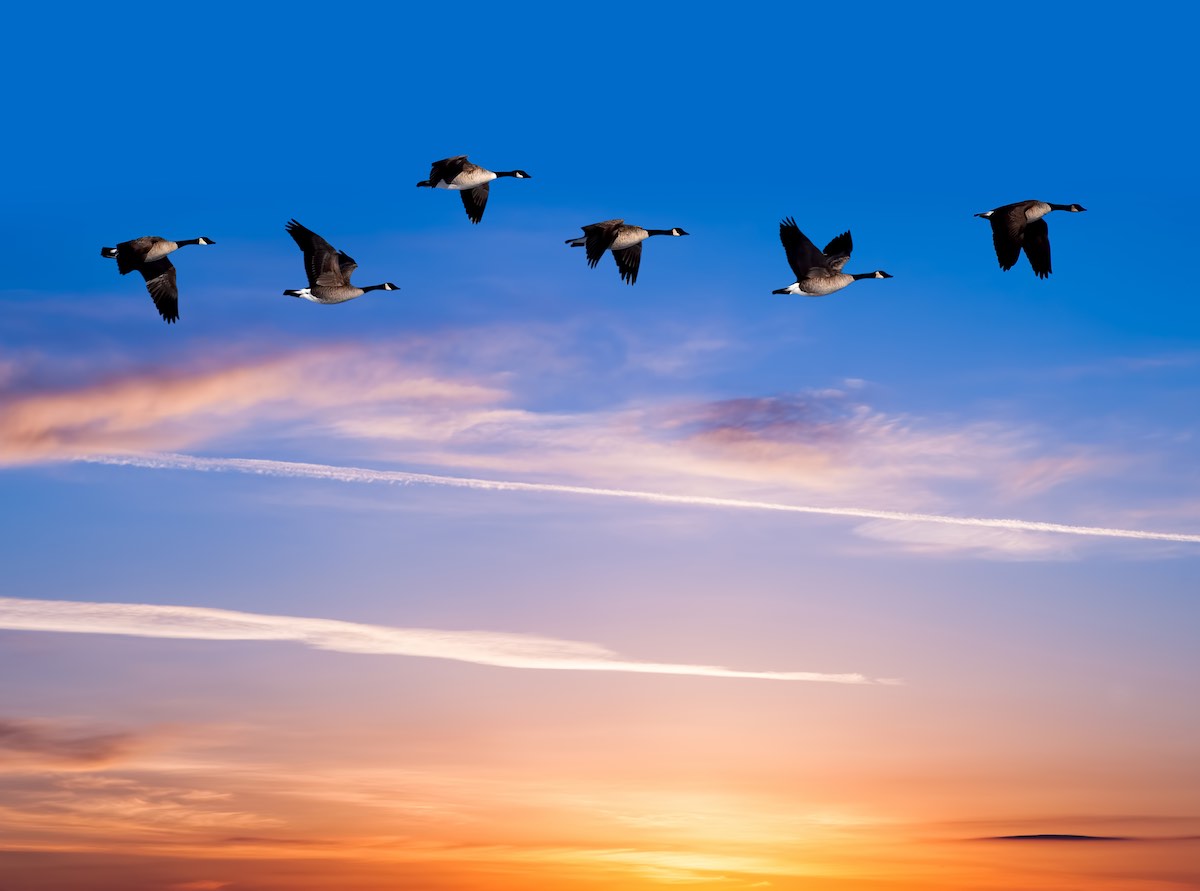
Ornitherapy is a concept that combines ornithology (the study of birds) with the therapeutic benefits of mindfulness.
Ornitherapy Origins
The concept of ornitherapy was coined in 1979 by a medical director, who observed that:
“the simple pleasure of watching birds can be an incalculable comfort, while a deeper study of their identification and behaviour can add a new dimension to the most despondent lives.”
Dr. John C. Robinson
The goal of ornitherapy, and engaging with birds in their natural habitats, is to foster mindfulness and provide therapeutic benefits like relaxation, gratitude, and a stronger connection to nature.
The idea that spending time in nature has health benefits is not limited to observing birds.
In fact, the Japanese Ministry of Agriculture, Forestry, and Fisheries created the term forest bathing, or absorbing the forest atmosphere (shinrin-yoku), to encourage people to reconnect with nature and find relief from burnout brought on by a flourishing tech industry.
The act of forest bathing does not actually involve bathing but is rather the practice of being quiet and calm while observing the natural world around you.
This practice actually has scientifically validated health benefits, such as reduced blood pressure, lower pulse rate, and reduced anxiety.
The basic ideas behind both forest bathing and ornitherapy is being present in the moment and taking in the intricacies of what you are observing.
In the case of forest bathing, it’s about appreciating the trees and foliage around you. And, with ornitherapy, the focus is on birds and how observing them can lead us to a deeper connection with nature.
The great thing is that orthitherapy and forest bathing can often be done at the same time, as birds are commonly found in wooded areas and forests.
The Benefits of Ornitherapy
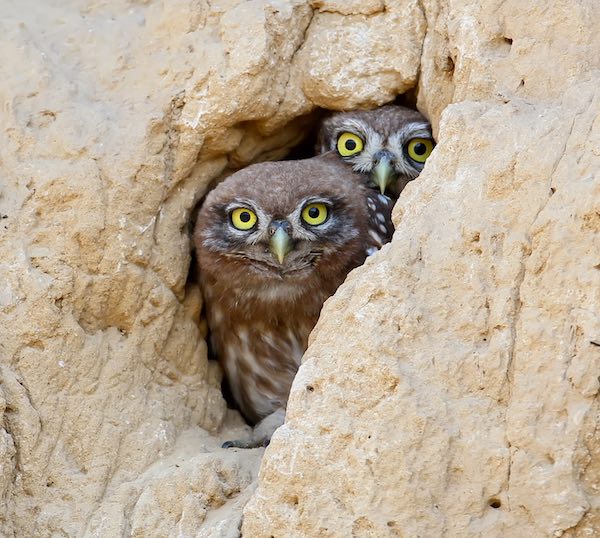
I’m not a doctor and I don’t play one on the Internet, but I do want to mention some of the benefits that I’ve experienced while watching birds:
1) Excitement: the mystery of what you might see when you go looking for birds makes it an incredibly fun activity. And, when you spot an uncommon or rare bird, it’s like seeing a celebrity.
2) Reduced Stress and Anxiety: for me, birdwatching provides much needed reprieve from thinking about challenging life events and/or work, especially if you have a desk job. Getting outside and watching birds do bird things instantly lifts my mood.
3) Friendships: birdwatching offers opportunities to meet and hangout with other people who enjoy observing birds. Joining bird walks or bird photography tours is incredibly fun and something I highly recommend. If you see someone with a pair of binoculars, or a long camera lens, say hi.
How to Get Started With Ornitherapy
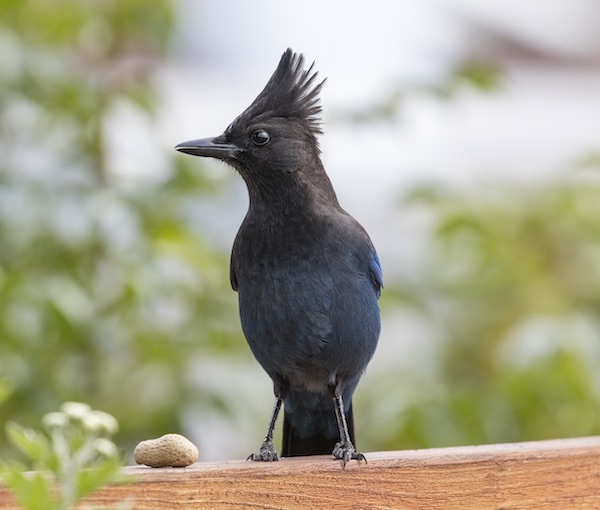
Experiencing ornitherapy can be as simple as watching birds in your backyard.
The key is to engage in the mindful watching of birds, which means different things for different people, but a good start is to pay close attention to the small behaviors of the birds around you.
Is that hummingbird gathering spiderwebs? Is that egret shaking it’s foot?
Birds exhibit so many interesting, and often unnoticed, behaviors, and if you take the time to observe them, you may find yourself feeling mentally rejuvenated and closer to nature.
Other ways to experience ornitherapy include:
1. Setting up a feeder and/or birdbath in your backyard: this is often the easiest way to become acquainted with the birds that live near you.
2. Taking walks or hikes in nature: taking a stroll near a local lake or pond, or walking on the beach, is an invigorating way to destress and discover where birds in your area are hanging out. Brining a pair of binoculars is highly recommended.
3. Observe the details: noticing colors, calls, and behaviors is an excellent way to mindfully observe birds and get some ornitherapy.
4. Study field guides: you don’t need to be looking at actual birds to get the benefits of ornitherapy. Studying the pages of field guides, like Sibley Birds West: Field Guide to Birds of Western North America, can be an exercise in mindfulness, especially if you are paying attention to small differences in plumage and markings.
5. Make bird art: for many people, including myself, sketching or doodling is a relaxing activity. When combined with birdwatching, sketching can be a deeply immersive way to document your observations and capture the essence of the birds you see. Painting, photography, and countles other types of art also provide relaxing ways to appreciate birds.
Conclusion
Ornitherapy offers a unique perspective on birdwatching, making it more than a hobby. As we strive for balance in our hectic and digitally focused lives, it’s nice to know that watching birds can have real benefits. If you are completely new to birdwatching, and don’t know where to start, check out my article on beginner birdwatching tips.
I hope byrder.com serves as a means of experiencing some ornitherapy, at least indirectly. Alright, now go find some birds.